
Toto Wolff: F1 2026 rule changes need "scalpel, not a baseball bat" to avoid further issues
 Originally published by Motorsport.com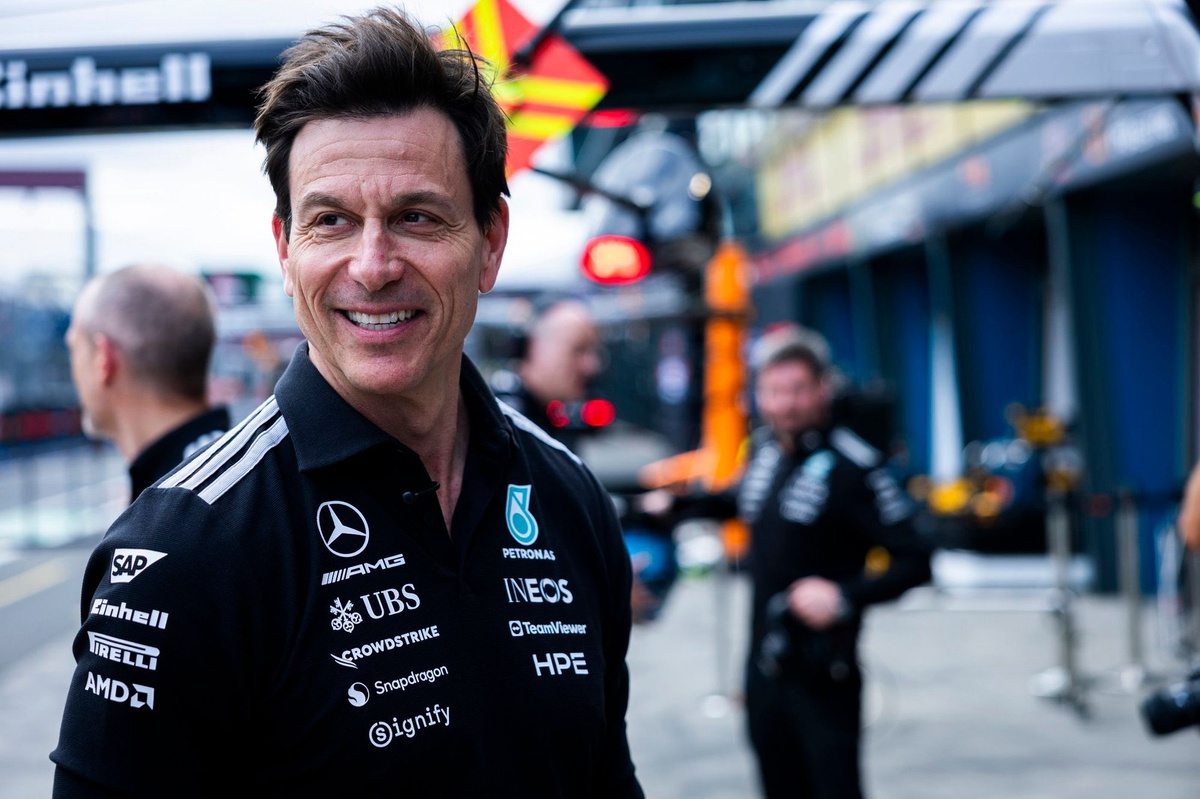
Mercedes team principal Toto Wolff hopes that Formula 1 and the FIA will take a considered approach to the changes due to be made to the 2026 regulations after "constructive" talks, to avoid making "erratic" decisions over the championship's short-term future.
The reaction to 2026's all-new technical regulations has been mixed; while the chassis changes have generally received positive reviews, the powertrain rules and the greater presence of electrification has had its detractors and its supporters.
Due to criticism over lift-and-coast tactics in qualifying, closing-speed safety (as demonstrated by Oliver Bearman's crash at Suzuka while trying to avoid a 45km/h-slower Franco Colapinto) and over the perceived devaluation of passing moves produced by differing states of battery charge, F1 and the FIA are due to ratify changes to the rules after a meeting on Monday.
Wolff asked for the rulemakers to approach any changes with a "scalpel, not a baseball bat" to avoid potentially overshooting and making the problems worse.
"I must really say that the discussions that have been taking place between the group of drivers, FIA, Formula 1, and the teams have been constructive," Wolff explained in a round table with select media.
"We all share the same objectives: how can we improve the product, make it out-and-out racing, and look at what can we improve in terms of safety. But act with a scalpel and not with a baseball bat.
"I think we're coming to good solutions that we're going to ratify hopefully today, in order to evolve, because it's only three races. In a way, we need to learn from the past, where sometimes decisions were made in an erratic way and then we overshot and realised it wasn't good."
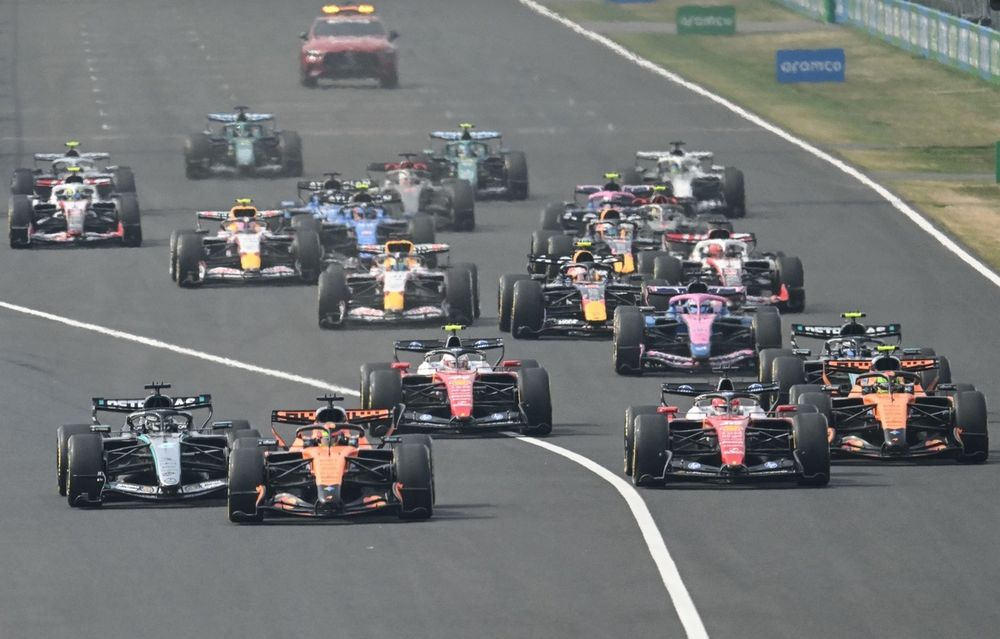
Photo by: Andrew Caballero-Reynolds / AFP via Getty Images
Later responding to a question asking if he was sure that all teams were acting in F1's best interest, rather than their own, Wolff agreed that it was best for everyone to take the approach of being "F1's guardians" and taking responsibility for ensuring the championship could continue to thrive.
He noted that the series needed to appeal to all kinds of fans, although needed to be careful not to be blinded by nostalgia - given that previous eras were also criticised at the time for their regulations.
"We all, the drivers, the FIA, Formula 1 and the teams, we need to understand our responsibility as the guardians of this sport. And we need to respect what the sport has done for us and work constructively among ourselves to improve where things need to be improved and safeguard when it's needed," Wolff added.
"And we all have our opinions and that's absolutely legit. But these opinions and discussions should happen among the stakeholders more than in the public eye, because the sport is in a great place. We have many hundreds of thousands of fans that love the sport.
"There are others that don't love certain aspects of the sport. But in order to protect all of this huge opportunity that the sport gives us, we shouldn't badmouth in public our own sport. And we've been all falling foul to this in the past because of gamesmanship or because of trying to protect a situation or or improve a regulatory situation.
"But we need to be very careful because the things we say in public, they may not have an immediate repercussion on how the fans perceive the sport. But that comes with a lag. And that is the responsibility we have.
"Of course, everybody's entitled to have an opinion. But I think we owe it to ourselves to express that opinion in the stakeholder groups. Now, this has happened in the last few weeks in a constructive way. We have set our objectives in the way that we want to improve where we believe it improves. We want to look after the safety of the drivers. We want to protect what we see in racing.
"We act upon data. What do fans love and what do they not love? And respect also the hardcore motorsport fans that have loved what we had before.
"But there's also a certain degree of nostalgia that makes the past much better than the present. People talk greatly about the 2000 years and maybe forget that there were years where there wasn't a single overtake in a race. It was maybe great for the drivers because it was flat out through the corners.
"But if this product is boring for spectators, then we don't gain. And we had many years where the product was criticised and we acted erratically in changes and they weren't any better either. So I think we are in a very privileged situation today that we have a sport and we all have a responsibility to carry that.
"We need to protect the safety of the drivers and this needs to be of utmost priority and importance. There's plenty of brilliant racing happening in the world that we as racers love. I love Le Mans.
"I'm sitting overnight watching the timing screen, but the Hypercars go through the Porsche Curves 30 or 40 kilometres faster than the GT3 cars. The speed differences are enormous. We have seen critical situations, massive accidents between those different two classes.
"That's why let's concentrate on those two priorities that I mentioned before and make it better and safer. Will it be always the safest sport? It won't.
"It is about understanding what those systems do to the car, how we can reduce the risks in particular situations like in the rain. But always reminding ourselves we are guardians of the sport, we have responsibility for the sport, the opportunity it has given to all of us, rather than looking at your personal advantage or disadvantage of certain regulations being changed or not."
Additional reporting by Stuart Codling.
We want your opinion!
What would you like to see on Motorsport.com?
- The Motorsport.com Team