
F1’s energy debate hits crunch time ahead of Miami showdown
 Originally published by F1i
Formula 1’s top decision-makers reconvene on Monday in a bid to bring clarity—and consensus—to one of the most contentious technical issues of the season: how the sport manages energy under its evolving regulations.
With the Miami Grand Prix looming next month, the outcome of these talks could shape not only the racing spectacle in the short term but also driver safety and competitive balance.
The discussions were always part of the roadmap following the introduction of the sport’s sweeping 2026 regulations, which split power almost evenly between internal combustion and electrical systems. But early races have exposed tensions in how those systems play out on track.
Stakeholders seek common ground
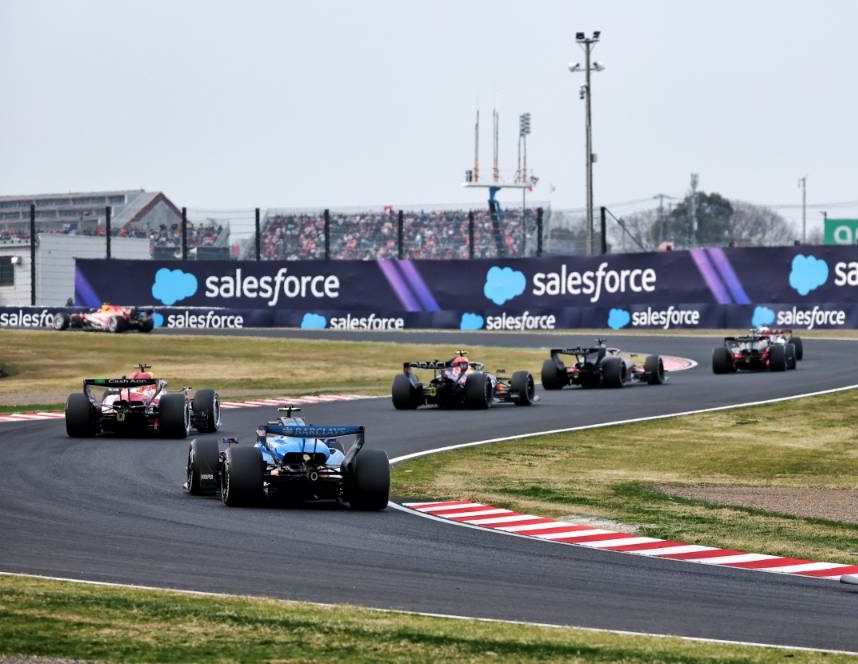
The flashpoint came in Japan. Drivers voiced frustration over the need to lift and coast during qualifying – hardly the flat-out spectacle fans expect – while a dramatic crash involving Oliver Bearman highlighted concerns about unpredictable speed differences between cars.
That incident, and the broader unease, accelerated talks during April’s break. Engineers, team representatives, governing body officials, and drivers have all fed into a growing list of potential tweaks, particularly around how energy deployment and harvesting are regulated.
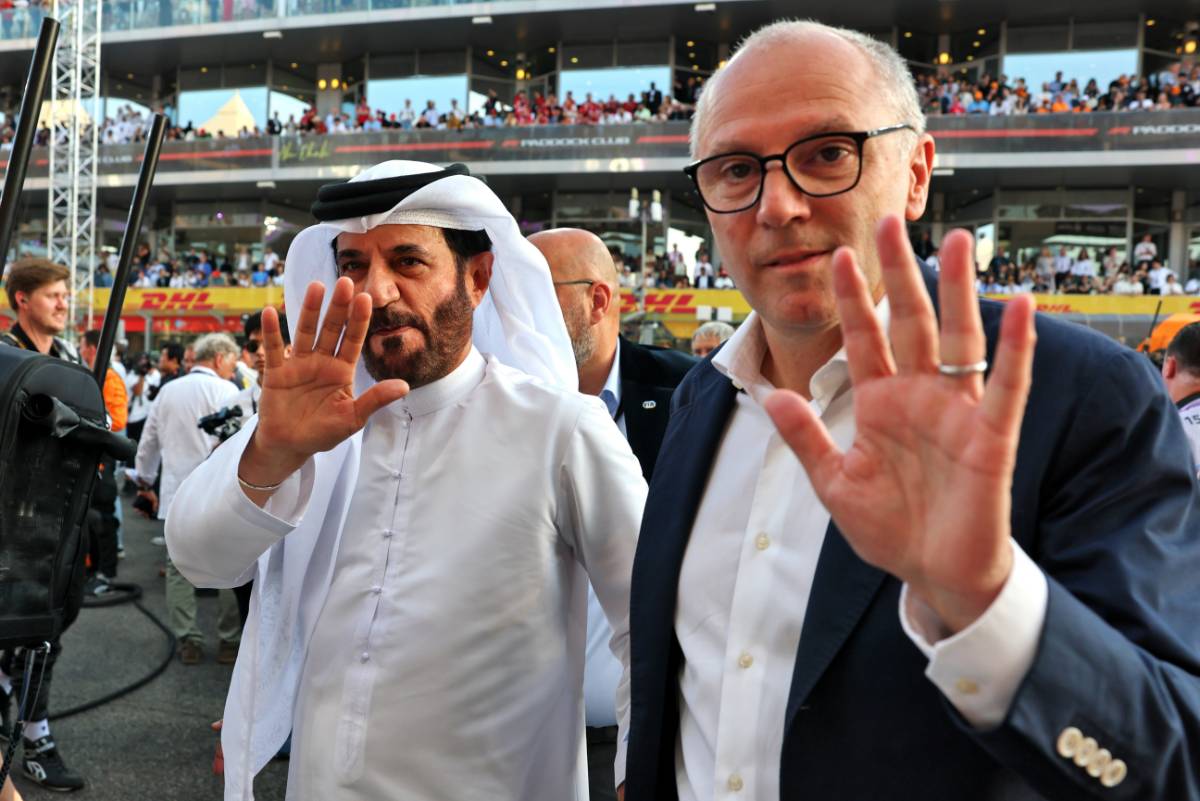
Monday’s meeting brings together Formula 1, the FIA, teams, and engine manufacturers to finalize proposals that could soon go to a World Motor Sport Council e-vote.
FIA president Mohammed Ben Sulayem has already described the preliminary discussions as “constructive and collaborative,” noting the “invaluable input” from drivers.
At the heart of the debate is a balancing act: maintaining cutting-edge efficiency while ensuring cars remain predictable, safe, and exciting to drive.
Drivers push for change
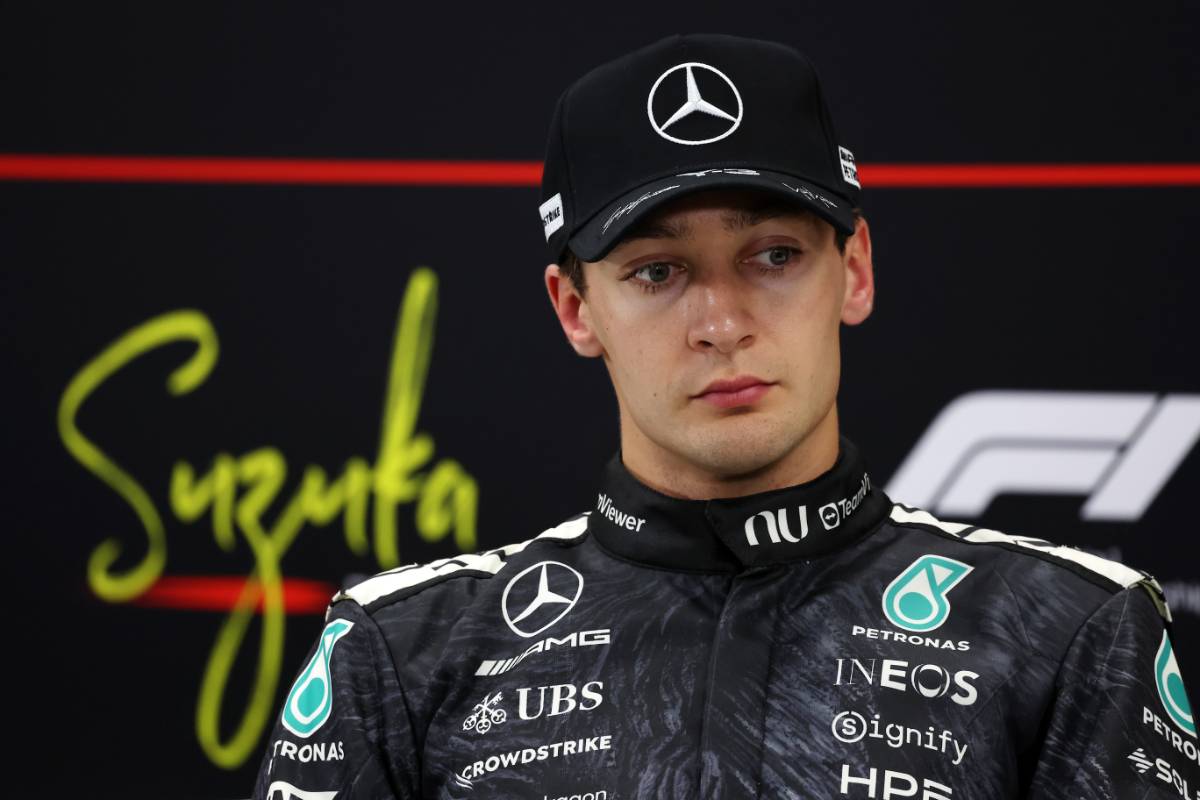
Few voices have been as direct as GPDA director George Russell, who has helped articulate the drivers’ collective concerns. Speaking last week, the Mercedes charger laid out two priorities:
"I think the two headline points are flat-out qualifying, so no lift and coast, and then reducing the closing speeds,” Russell said last week.
"The closing speed of the Bearman-Colapinto crash was twofold. One, of course Bearman was on his boost button and giving himself 350kW, so he had an abundance of power in an abnormal part of the track.
“And, on the flip side, Colapinto used his boost on the main straight the half a lap before, and was low on his battery, so he had a lack of power.
"So that is, at least in my eyes, where these closing speed differences are coming from and I think the FIA are definitely very much aware of that.
“From the drivers' perspective, just looking to reduce that closing speed in abnormal areas, and especially in non-SM [Straight Mode]. If there's a straight that isn't an SM mode, that means it's because it's a corner and of course the Bearman crash was in a non-SM part of the track. So I think we're all aligned on those points."
Quick wins – or compromise?
While the complexity of F1’s hybrid systems means sweeping changes are unlikely overnight, Russell believes meaningful improvements are within reach.
"There's a lot of low-hanging fruit," added the Briton. "For example, the minus 350 kilowatts super clip is a no-brainer, and that already in itself is going to avoid a lot of lift-and-coast, having the minus 350 kilowatt super clip.
"And there's other small parts of the regulation that say you can only de-rate the engine at a certain rate. So on a very short straight, there isn't enough time to go from 350 kilowatts to a super clip because the straight is too short.
“Some small changes around these regulations will have a major improvement for the overall driving experience."
Russell also struck an optimistic tone about collaboration:
"I think the FIA have been in a lot of comms with a handful of drivers, and that's been sort of collective,” he said.
"And at least from the FIA technical standpoint, it's probably the closest relationship we've had with them in numerous years. So that's very positive to see."
With Miami fast approaching, Monday’s meeting represents more than another technical discussion—it’s a deadline. The sport must now decide whether it can fine-tune its future-facing rules without compromising the present.
Read also: Domenciali wants decision on future F1 engine ‘as soon as possible’