
Norris backs drivers’ F1 power push: ‘We just have to give our input’
 Originally published by F1i
Formula 1’s ongoing debate over the future of the sport has gained another heavyweight voice, with reigning world champion Lando Norris backing calls for drivers to have greater influence over the rules – while also acknowledging that the sport’s commercial realities cannot simply be ignored.
The discussions around F1’s current and future regulations have intensified dramatically in recent months, with frustration building over a current rules package many believe has pushed the sport too far toward energy management and artificial overtaking.
And while seven-time world champion Lewis Hamilton recently demanded that drivers finally be given “a seat at the table” in shaping Formula 1’s direction, Norris struck a slightly more measured tone while addressing the topic in Miami.
‘We just have to give our input’
The McLaren driver made it clear that competitors want a stronger voice – particularly when it comes to preserving the essence of racing that many believe is slowly being diluted.
“We just have to give our input, honestly,” Norris told reporters.
“We want the fans to have a great time, we want ourselves to have a good time. And we also want F1 to be what we've always grown up seeing – just flat-out racing, which is not what we've had so far.”
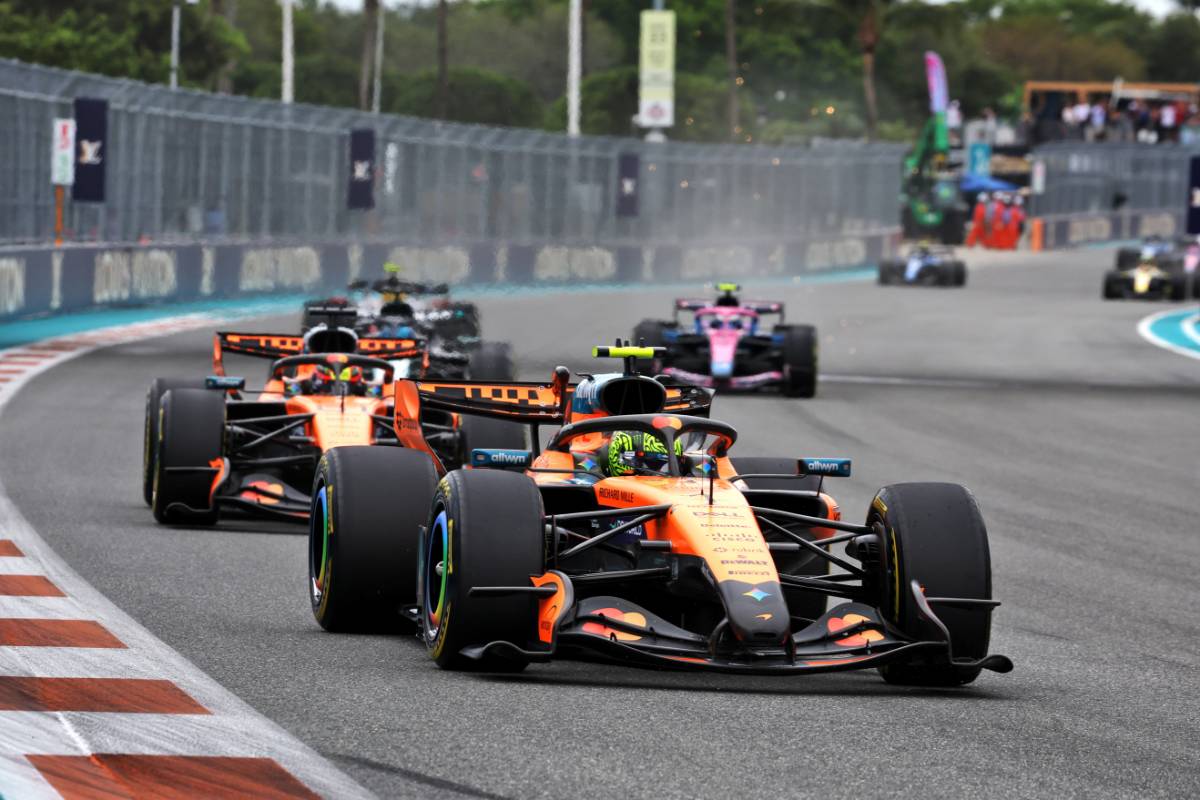
That frustration has centred heavily on Formula 1’s increasingly complex electrical systems and battery deployment rules, which many fans and drivers feel have created overtaking moves based more on energy advantage than pure racing skill.
Norris did not hide his discomfort with the current direction.
“And having good racing is not necessarily having someone at 100% battery and having someone on zero. You know, that's not how proper racing should be done,” he added.
Drivers pushing for a return to ‘proper racing’
The current engine philosophy – built around a near-equal split between combustion and electrical power – was originally agreed during manufacturer discussions back in 2022. But drivers were largely excluded from the early stages of those talks and only experienced the practical consequences later in simulation.
Now, many in the paddock believe Formula 1 is paying the price.
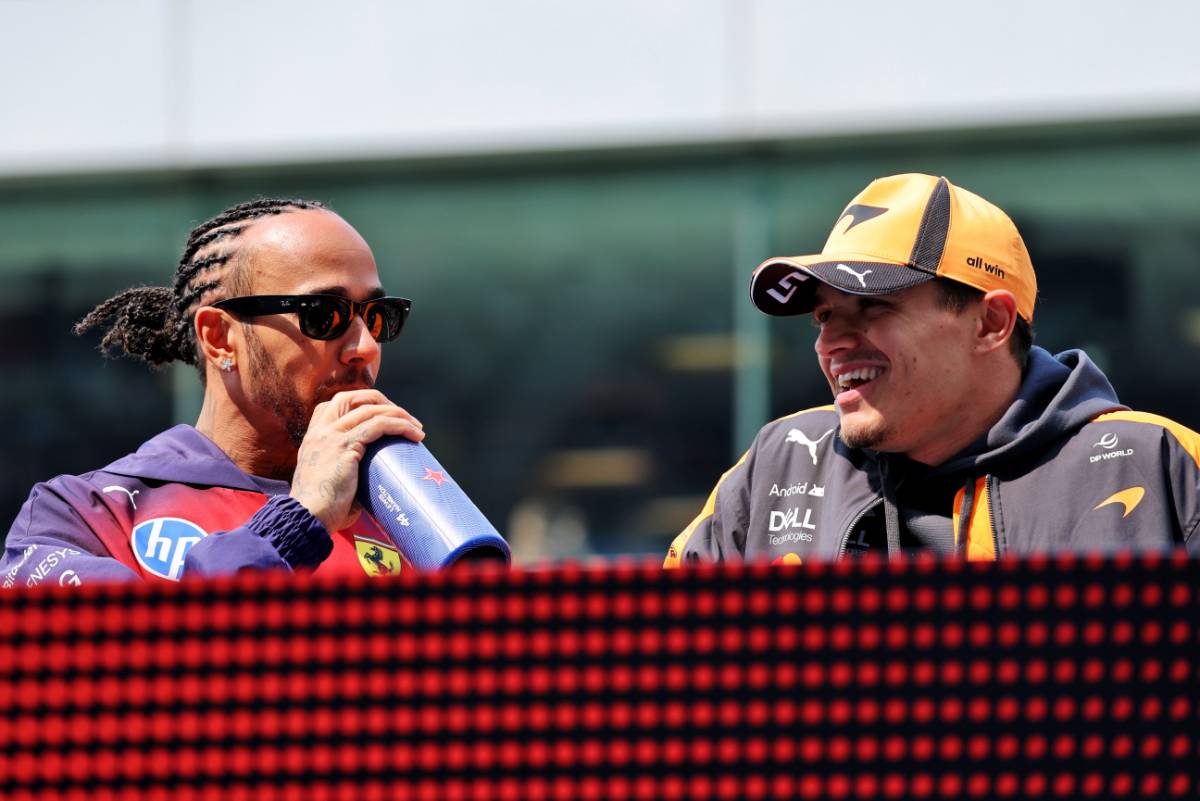
Rather than relying on increasingly complicated energy deployment systems, Norris believes the focus should return to the fundamentals that naturally create close racing.
“It should be done by trying to allow cars to follow closer by having less weight, better tyres, more resilient to kind of following issues and temperatures and things like that – not by implementing batteries and wings that do all of this stuff we're doing now,” he explained.
F1 bosses have already begun quietly rowing back from some aspects of the regulations, introducing tweaks to deployment and harvesting systems, while next year’s rules will shift the balance closer to 60:40 in favour of internal combustion power.
But for many drivers, those changes still feel more like temporary fixes than a genuine long-term solution.
Balancing racing with business
Norris, however, also recognised the political and commercial complexity surrounding Formula 1’s future direction.
Manufacturers such as Honda and Audi remain heavily invested in electrification, while others – including partners tied closely to the American market – have shown greater openness toward a potential future return to naturally aspirated V8 engines.
Against that backdrop, Norris urged patience and a more considered approach to the next generation of regulations.
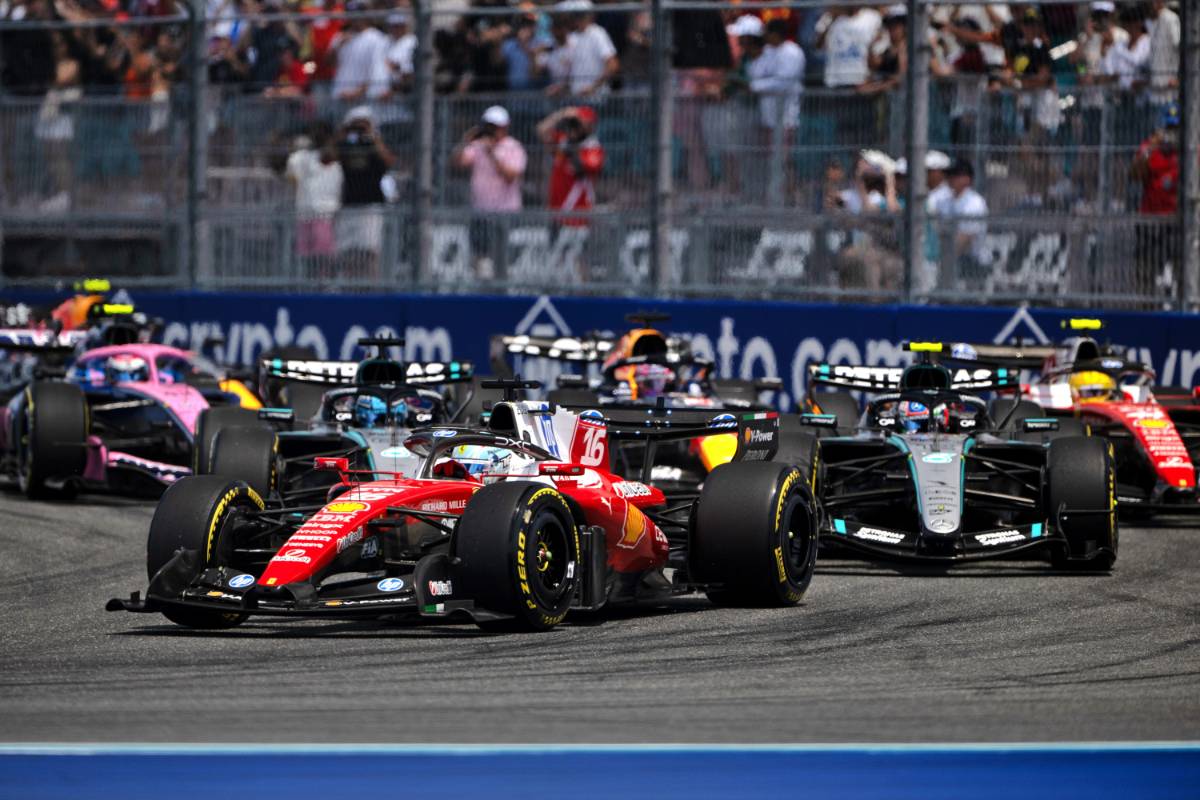
“It can just be done in a slightly different way, and that's something that us drivers we're all wishing for in the future,” the McLaren driver continued.
“But because of the bigger picture, because you have manufacturers and partners and teams and it's a business involved, then some things are not so simple.
“Hopefully over the next five years or so things can go a little bit more back to normality, and I think we can still create even better racing.”
Norris also praised the FIA for at least beginning to engage more closely with driver feedback, even if the process remains far from perfect.
“What we want as drivers is also what will be better for the fans to see,” he said.
“It's a business at the end of the day, so you have to balance the business side, which is obviously where we don't have a lot of say. But we're making progress with the FIA. I think they've done a good job in trying to improve things.
“The bigger things and the things we want more in the future are the things I want to take more time on.”