
Honda outlines Canadian GP targets after F1 engine reliability progress
 Originally published by Crash.net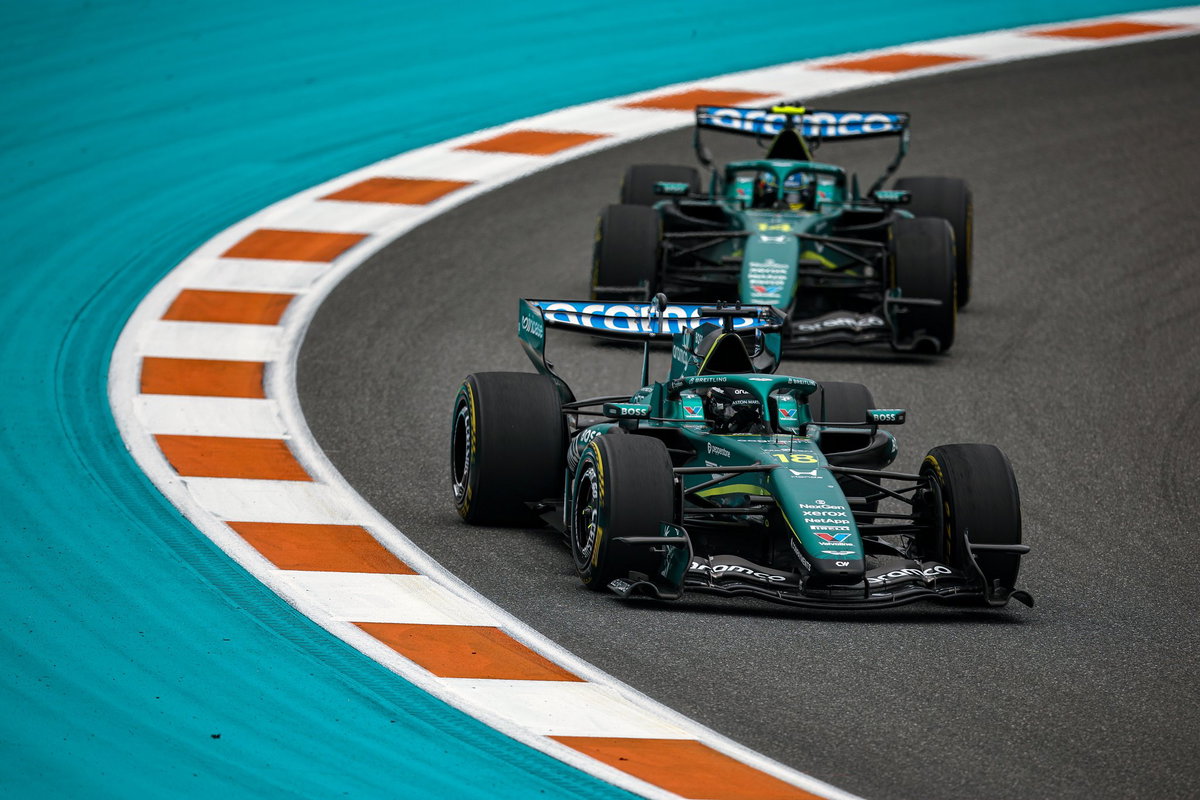
Honda has provided an update on the progress of its Formula 1 power unit and laid out its targets for the upcoming Canadian Grand Prix.
Aston Martin and engine supplier Honda has endured a nightmare start to the 2026 season but did at least record its first double finish of the campaign at the Miami Grand Prix.
A switch from Mercedes to Honda power units for 2026 has backfired so far, with Honda’s engine beset by poor performance and reliability-damaging vibration issues.

Honda and Aston Martin have been under the spotlight
Honda believes it has finally found a cure for its vibration and reliability woes, which means it can focus on other areas of improvement to give drivers Fernando Alonso and Lance Stroll greater confidence in the AMR26.
“At the Miami Grand Prix, we confirmed our battery vibration improvements and our overall power unit reliability,” Honda Racing Corporation trackside general manager Shintaro Orihara said.
“It was also a key opportunity to learn on the energy management side under the updated 2026 regulations, and this will continue in Canada.
“In Montreal, which is Lance’s home race, we will focus on enhancing the driveability and our energy management strategy to support the drivers in building more confidence.
"In fact, this is an important target of our race weekend. If we can give more confidence to the drivers in entering the corners faster and carrying more speed, then we unlock lap time.”

Aston Martin's switch from Mercedes to Honda power hasn't gone as hoped
With Canada being a sprint weekend, Honda says it will be vital to maximise the sole hour of practice running before the competitive action gets underway.
“Canada is another new Sprint race format, making FP1 very important. At this event, it’s the usual 60-minutes, so it’s crucial to optimise everything during this session,” Orihara explained.
“Another characteristic is that the circuit has a long straight, so it’s vital to adjust energy deployment in this section of the lap. We also have a slow speed corner section before the back straight, but also Turns 1 and 2.
“Additionally, we have to consider possible wet conditions and cooler temperatures. This can be tricky for grip, and driveability becomes even more important with a combination of MGU-K delivery, accuracy and torque delivery accuracy.”