
The 'unfair' F1 safety net that's trapped Ferrari
 Originally published by The Race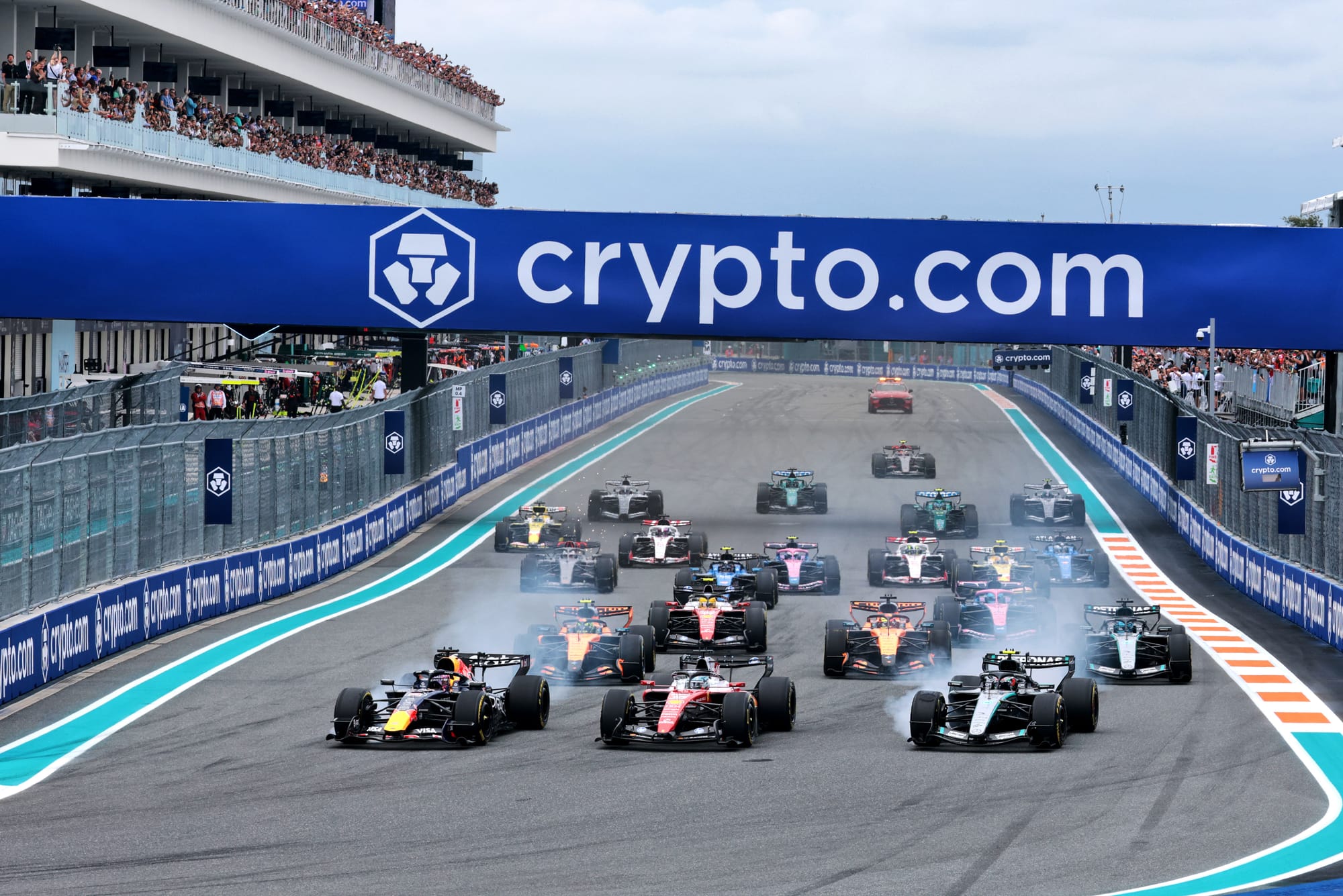
Ferrari might still have the best starts in Formula 1, but it is fair to say that team boss Fred Vasseur is annoyed by how its advantage has been eroded by an outcome that he maintains was “unfair”.
In fact, in a year where there has been plenty of political manoeuvring among teams over rule changes, including relating to compression ratios and energy management, this is the aspect that stands out to him as the most unsatisfactory.
“The start is by far the biggest,” says Vasseur.
The brilliant getaways enjoyed by Charles Leclerc and Lewis Hamilton so far this year have their foundation in a deliberate design choice Ferrari made in opting for a smaller turbo.
Aware of how challenging the race starts could be for the 2026 cars that had lost extra electrical assistance from the MGU-H to spool up the turbo, Ferrari chose to take a hit on sacrificing top end power in favour of better launches.
This was because, having gone to the FIA a year ago to explain the challenges and potential safety risks that were in play with the way the regulations had been framed, it was given a clear message.
It was up to teams to design their cars around the rules; not for the rules to be adjusted to fit around the cars.
Taking that viewpoint on board, Ferrari duly went away and weighed up that the compromise on going for the smaller turbo was worth it – as the downside of a bigger turbo would be very tricky starts.
“The trade-off is do we want to make one tenth of a second [in lap time] or do we want to lose five positions at the start,” said Vasseur in an exclusive interview with The Race.
“If you ask the engineers they say, okay, let’s have a good start.”
It was when rivals found out in pre-season testing just how difficult the starts were going to be – and how big the dangers were of them going catastrophically wrong – pressure was put on the FIA to take action.
This resulted in the new extended pre-light procedure, which gives all drivers more time to spool up their turbos, as well as plenty of extra practice launches.
The changes that arrived for the Australian Grand Prix with the extra blue light time did their job in avoiding the risks of a start line pile-up (although Liam Lawson and Franco Colapinto came very close), and did not stop Ferrari leading into Turn 1.
In fact, Ferrari has maintained its start brilliance until now - although the scale of its advantage has been cut back significantly.
From Vasseur’s perspective, there are some fundamentals to the situation that he thinks did not play out in the right way.
“Imagine without the blue light [the new pre-start light which gives drivers time to spool up their turbo before the start sequence], some cars would be still on the grid in China,” smiled Vasseur.
“You can put on the table the safety grounds, and it's the right of the FIA and I have just to accept. But at the end, I think it's also a bit unfair on us.
“I went to the FIA one year ago, and we spoke about this. We spoke about this in SAC (Sporting Advisory Committee), we spoke about this in the PUAC (Power Unit Advisory Committee).
“And I really appreciated the answer from the FIA [that] you have to design the car for the regulations, not the regulations for your car. I think this is a very good approach.
“So then to have half of the grid, 40% of the grid complaining, that it's mega dangerous and so on. Politically [it] was well played but not very fair.”
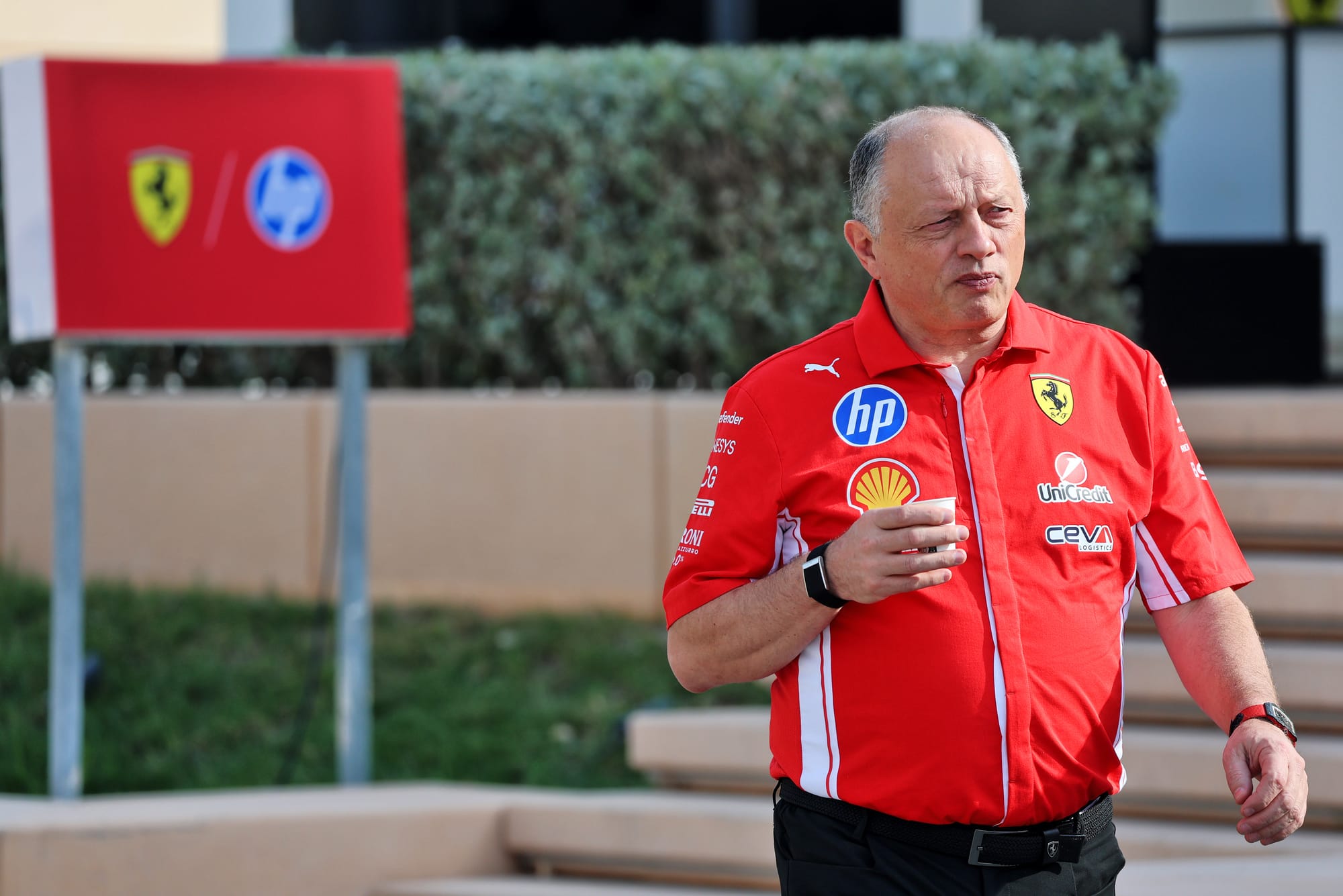
What Vasseur is referring to is how key players among the drivers and team bosses ramped up the safety risks to such an extent that the FIA could not ignore taking action.
Grand Prix Drivers’ Association (GPDA) director George Russell even went public at the Chinese Grand Prix and suggested that Ferrari was being “selfish” and blocking moves to alter start procedures more.
Vasseur is not the sort of person who likes to spend time engaged in wars of words, so he quickly drew a line under things back in Shanghai in saying that what was done was done.
Asked on reflection if he regretted not speaking out more on the topic and not accepting the changes, Vasseur says that the reality was that Ferrari’s hands were tied.
The FIA used its safety card to make the tweaks, so Ferrari could do nothing other than be resigned to it.
“It was a safety ground. I don't have to accept,” Vasseur said. “It was a decision based on safety grounds. It's up to them. Even if everybody is against, they can decide.”
What makes Vasseur most twitchy about the starts approach is that it is not a topic that relates to a clever interpretation of a loophole – such as what happened with the compression ratio issue surrounding Mercedes.
Instead, this was about a fundamental choice made to adapt rules around behaviours that teams had not taken into account when finalising their designs for 2026.
“It was a bit harsh for us,” Vasseur added. “I understand what they did for safety grounds, but the other option would have been to ask them [the other cars] to start from the pitlane if they think it was not safe.
“For us it's also a choice that we made. We developed an engine with a criteria and somehow they changed the rule at the last minute.”