
F1 approves shorter races for 2027 to fit revised power unit plan
 Originally published by Motorsport.com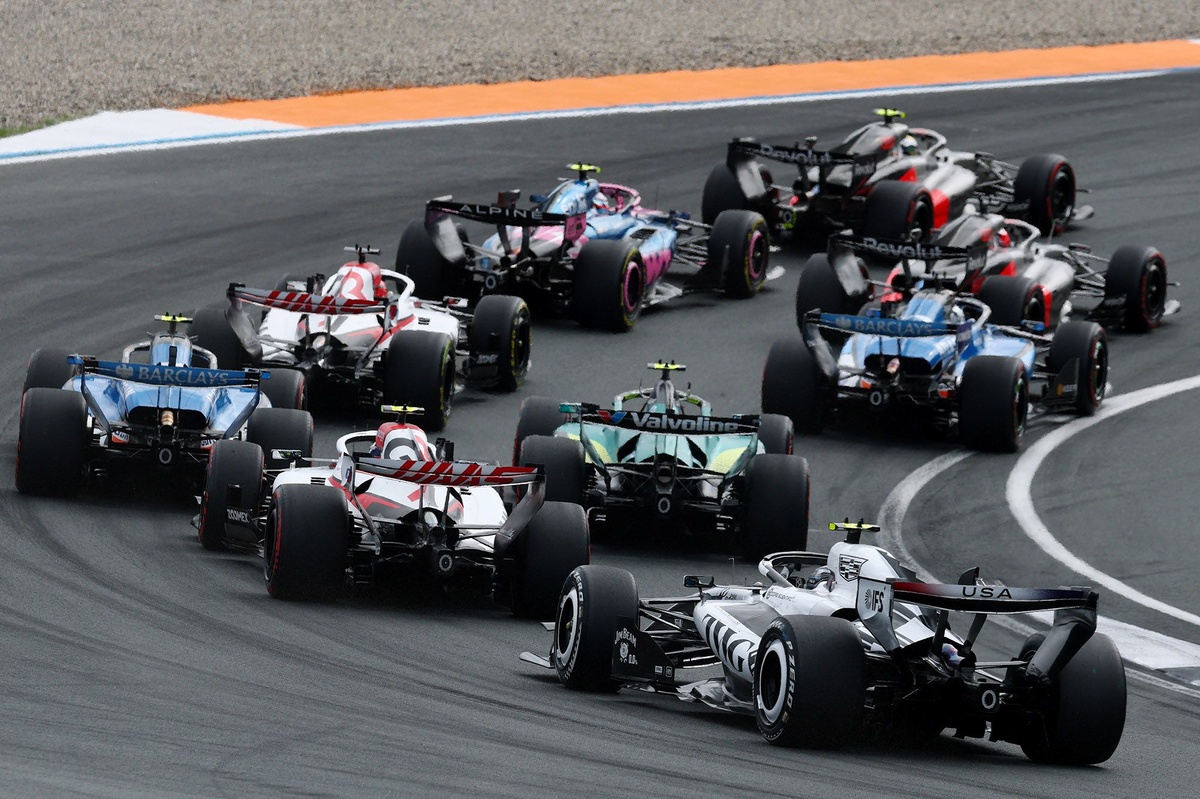
The Formula 1 Commission has rubber-stamped the proposed changes to reduce the lengths of races in 2027 by 15km, in line with the expected power unit changes for next season.
During Monday's F1 Commission in London, the decision to reduce the standard grand prix length from 305km to 290km was agreed upon - pending approval from the FIA's World Motor Sport Council - to reduce the cost associated with chassis changes to fit the reworked output from each of the powertrain components.
For 2027, the decision had previously been made to increase the output of the internal combustion engine and reduce the power delivered by the electrical components to re-balance the formula, and reduce the level of superclipping and energy harvesting during races.
The ICE will thus be upscaled to a 420kW figure, while the maximum power from the MGU-K is reduced to 300kW - except in overtake mode, which will remain 350kW. To achieve this, the fuel flow for the engine was increased by five percent to deliver the expected increase in power.
Rather than increase the capacity of the fuel tanks to fit the increased fuel flow rate, the FIA and FOM has elected to reduce the distance of the races for next season to minimise the risk of drivers running out of fuel at the end of the race. At most circuits, this will knock around three laps off the current count.
It is unclear whether the races will remain in their shortened form for 2028, when the powertrain rules will be revised again. In 2028, the ICE power will rise again to 450kW, with an overall 13% increase in fuel flow to create a 60/40 split in combustion to electric power delivery, which will necessitate a larger fuel tank.
The F1 Commission has also put other changes forward to be approved at the WMSC, including a rework to the timer for grand prix race stoppages. The two-hour limit will remain in place but, for any stoppages under red flags, races currently operate within a maximum three-hour window.

Marshals wave the red flag
Photo by: Simon Galloway / Motorsport Images
Instead, the three-hour window would be removed, instead implementing a hard stop time for any delayed or rain-affected races to account for daylight. The FIA communique stated that "these changes were introduced to ensure that the spectators have the best possible chance to enjoy a full race if disruptions occur."
The statement also revealed that the F1 race directors would have more power to extend free practice sessions in the event of any extended red flag periods; the FP3 session at the Spanish Grand Prix lost around 30 minutes of its run-time following incidents sustained by Lewis Hamilton and Ollie Bearman.
Hamilton hit the wall at Turn 22, necessitating around 25 minutes of barrier repairs, while Bearman's late-session crash truncated the session by a further five minutes.
Furthermore, gearbox homologation has been rescinded for 2027, which means that manufacturers can continue to develop their transmissions next season. The document also teases further minor technical regulation changes for next year, plus undisclosed sporting and financial regulations for this year.
We want your opinion!
What would you like to see on Motorsport.com?
- The Motorsport.com Team