
The data behind Lewis Hamilton’s first Ferrari win as VSC debate settled
 Originally published by PlanetF1
Through dominance over the Mercedes drivers in the second half of the race and a brilliant strategic display, Lewis Hamilton secured his first Grand Prix victory in Ferrari colours.
While the seven-time world champion took the lead following a VSC period, telemetry data shows that the outcome would highly likely have been the same even without that extra stroke of luck.
How Lewis Hamilton secured first Ferrari victory at Barcelona GP
Want more PlanetF1.com coverage? Add us as a preferred source on Google for news you can trust.
Despite starting the race from second on the grid, expectations for a Ferrari and Hamilton victory in Barcelona were not very high. This skepticism was primarily based on the long-run race pace simulations from Friday’s FP2 and the fact that tyre degradation was bound to be the defining factor during the Grand Prix.
However, the first indicator of an interesting strategic battle came right at the start of the race, with Hamilton being the only driver among the top four to launch on the soft compound. The clear intent was to seize the lead on the opening lap, but the Briton was unable to pull it off.
The launch advantage Ferrari enjoyed early in the season had seemingly vanished, and both front-row starters got away identically.
Nevertheless, despite running in dirty air, Hamilton managed to stay within striking distance of Russell, allowing him to set up his next move for the race lead.
We knew before the race that the undercut would be incredibly potent here, precisely due to the high tyre degradation and the massive lap time drivers bleed as their rubber falls off. Although Hamilton’s initial undercut attempt was covered off (with Russell reacting in time and pitting just a lap later) the data illustrates just how much time the move still yielded.
Lewis clawed back roughly two seconds of delta time simply by pitting one lap earlier.
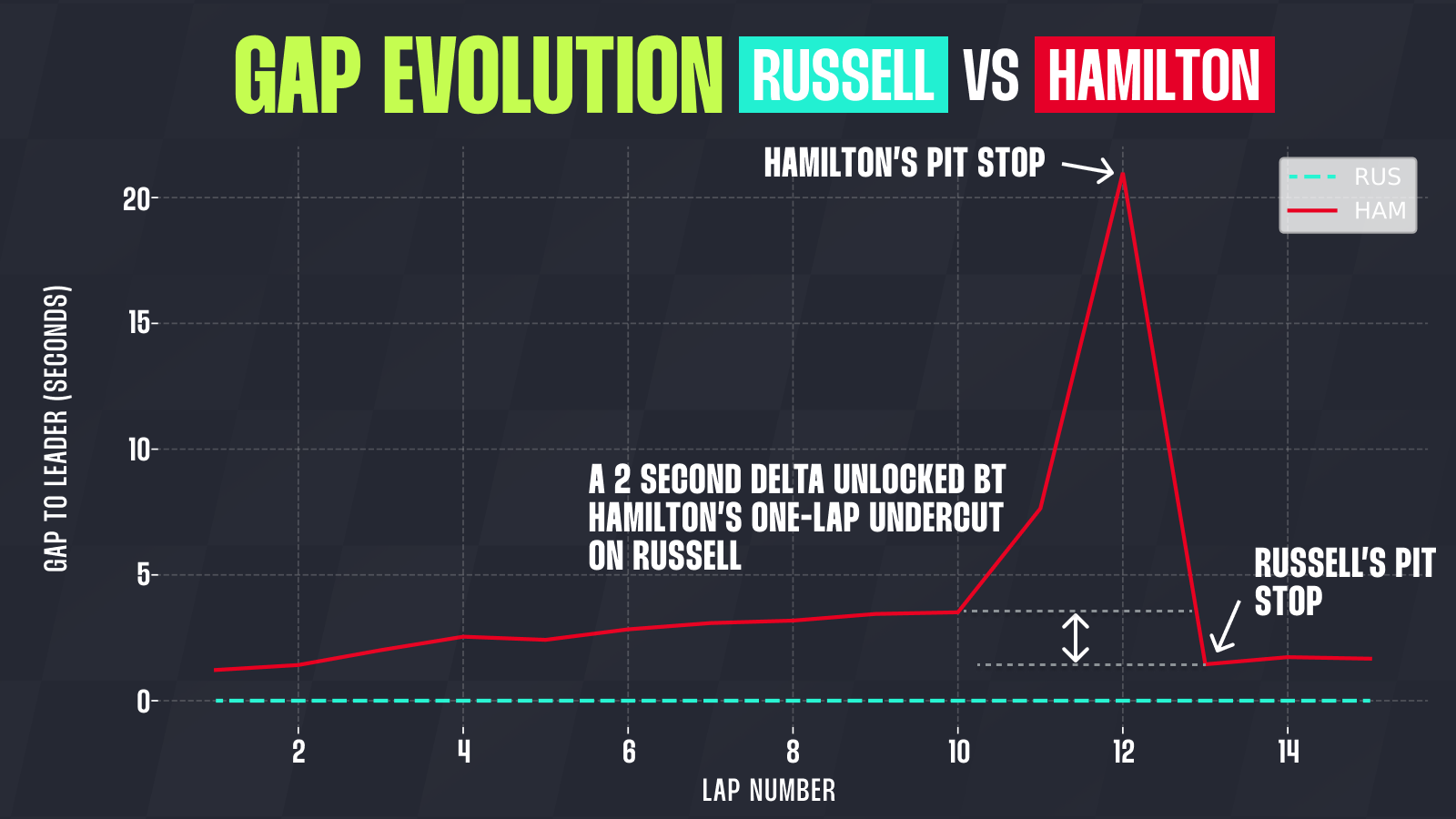
This served as a lesson for the rest of the field; practically every driver had someone to defend against, meaning the order among the front-runners remained unchanged after the first round of pit stops.
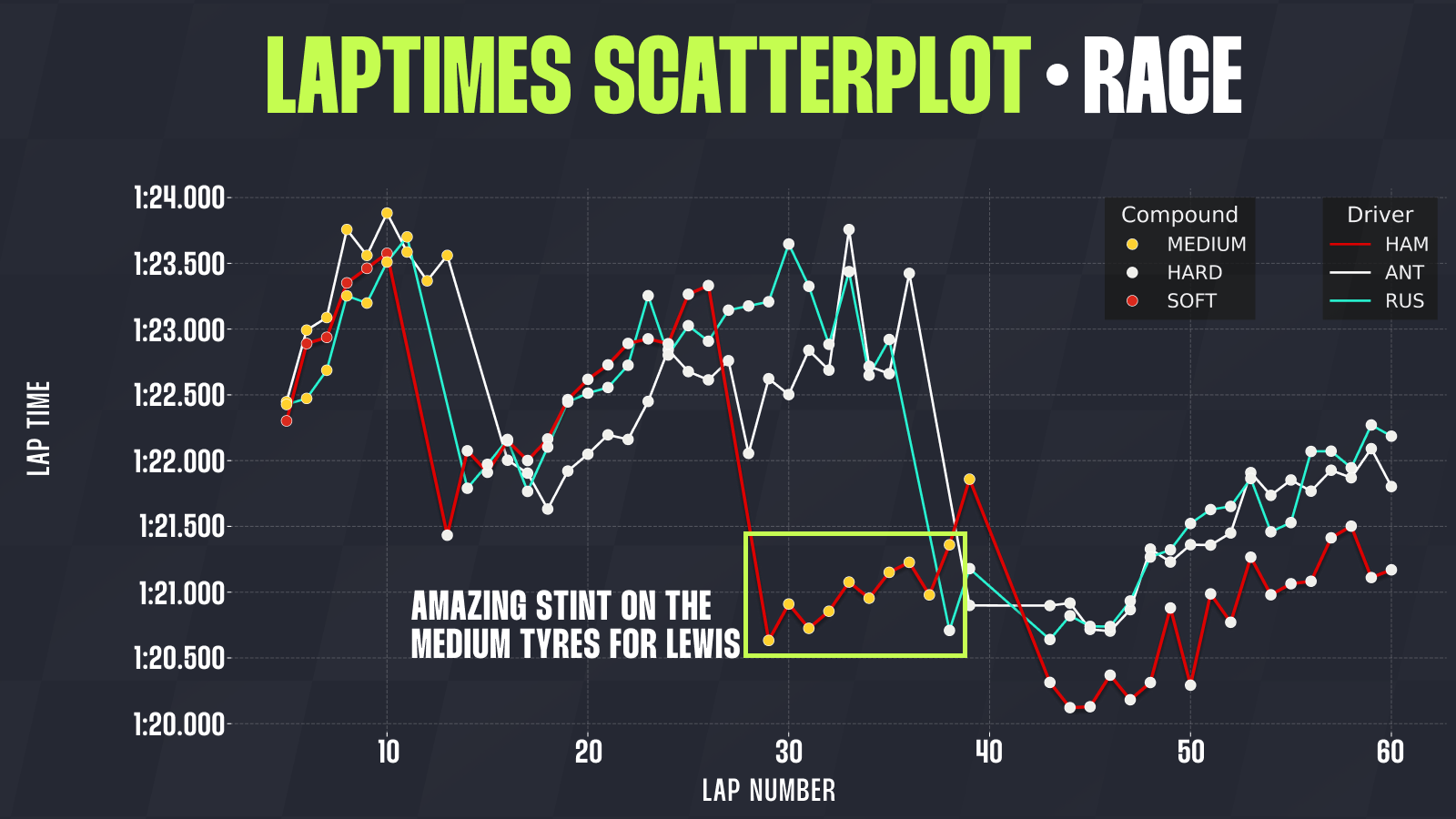
However, Ferrari refused to settle. Following a very strong stint on the hard compound that matched Russell’s pace, Hamilton pulled the trigger on an even earlier pit stop on Lap 28, switching to fresh rubber while Russell stayed out. At this moment, it became clear that Hamilton was committing to an aggressive three-stop strategy, whereas his British rival in the Mercedes was managing a two-stopper.
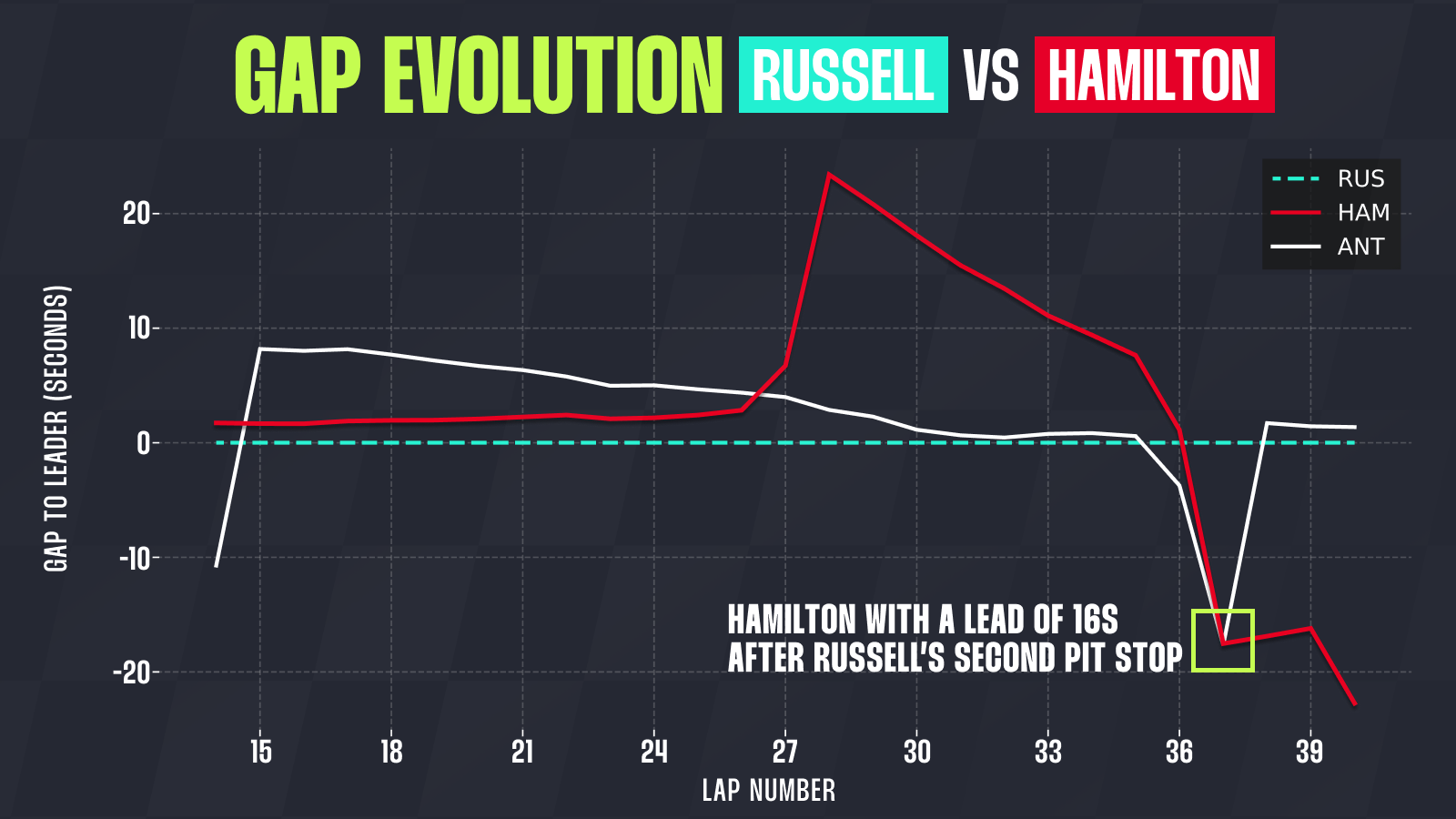
Hamilton was blistering during this subsequent stint. On average, right up until Russell’s eventual pit stop nine laps later, Hamilton was clawing back an incredible 2.25 seconds per lap. He erased his deficit remarkably fast.
This fierce pace forced Mercedes to react earlier than they had originally planned, and on Lap 37, Russell headed into the pits. At that moment, Hamilton held the net lead with a 16-second advantage over him.
So would Hamilton have won without the VSC?
The telemetry data indicates that Lewis stood an incredibly strong chance, regardless of the VSC deployment on Lap 41.
Even without the virtual safety car, Lewis would have certainly pitted very soon after, given that his lap times on the softer rubber had begun to drop off. This means he would have possessed a tyre life advantage of at least six or seven laps for the final run to the flag.
Considering a standard pit stop in Barcelona costs around 23 seconds, we can estimate that Lewis would have emerged behind Russell with a deficit of roughly seven seconds.
Hamilton drove phenomenally in that final stint on the hard compound – he was 0.85 seconds per lap quicker than Russell, and using this delta as a baseline, Hamilton would have caught George by Lap 52. Armed with such a significant pace advantage, Lewis would have been in an excellent position to complete the overtake on track and secure the win.
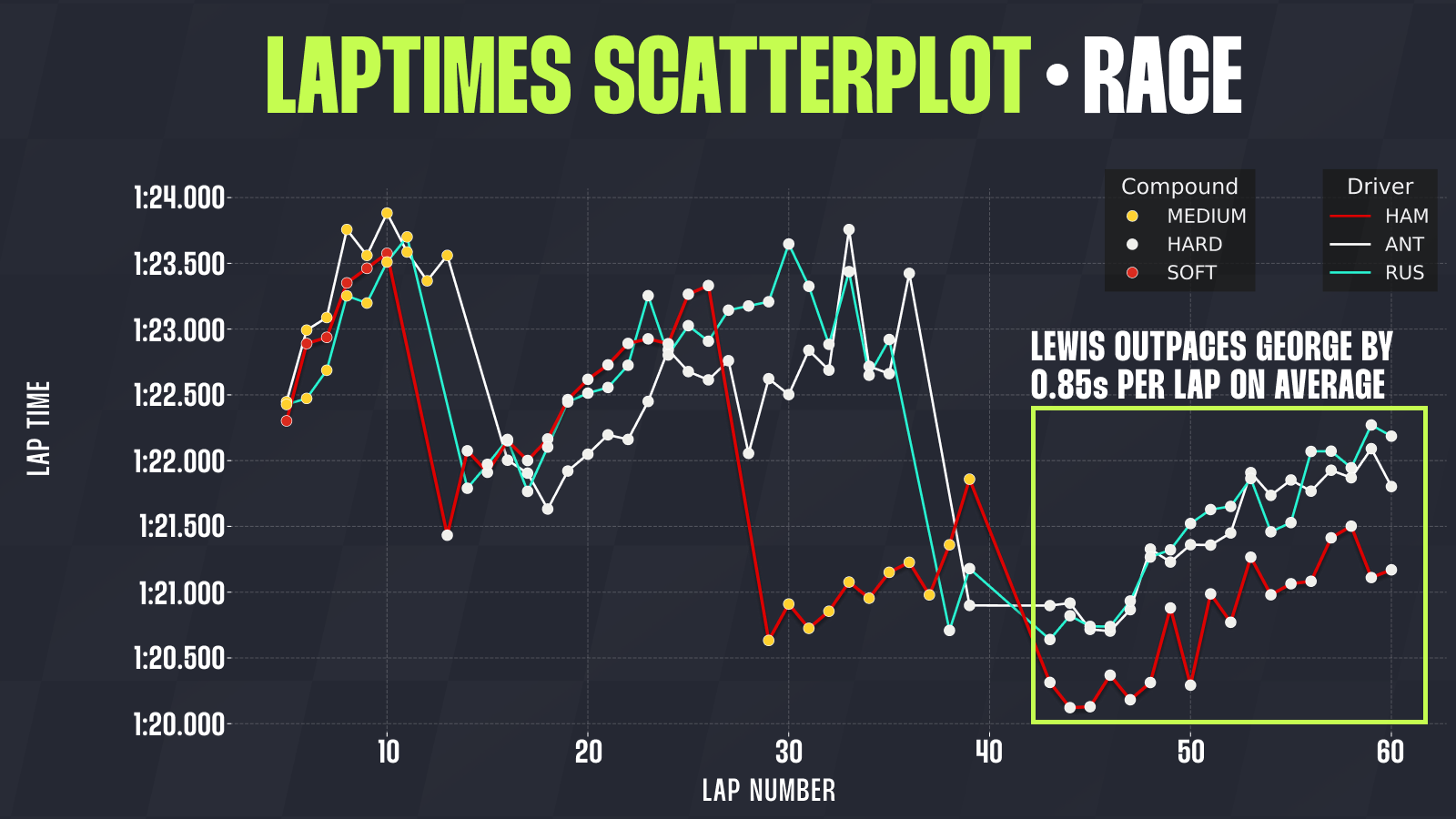
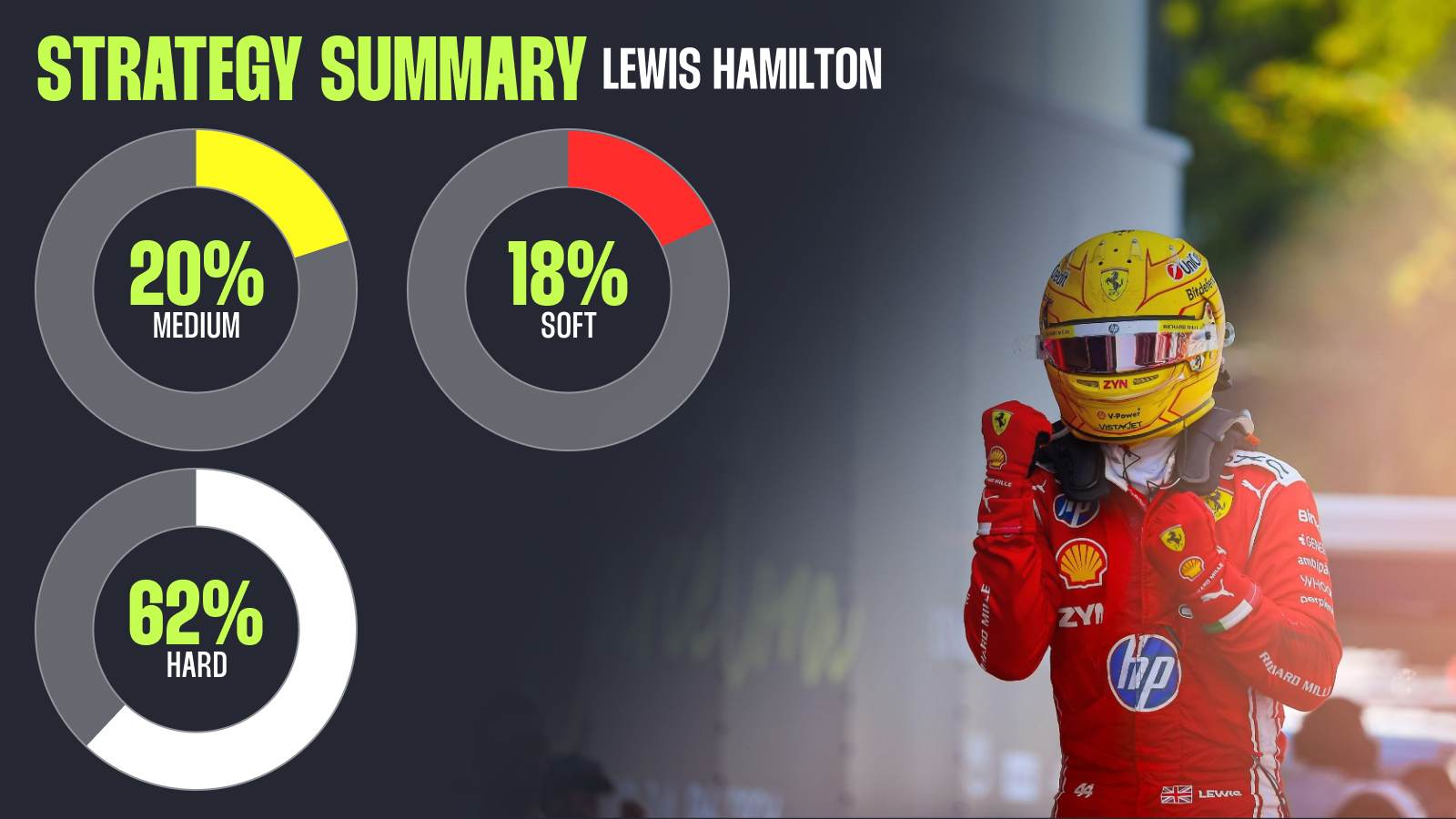
The VSC undoubtedly made his life easier and cleaner, but it cannot be argued that the victory was undeserved.
The new upgrades on the Ferrari represent a massive step forward, and the race pace they showcased on lower fuel loads was truly phenomenal. With upcoming power unit updates in the pipeline, the Maranello squad definitely cannot be counted out for the second half of the season.
Want to be the first to know exclusive information from the F1 paddock? Join our broadcast channel on WhatsApp to get the scoop on the latest developments from our team of accredited journalists.
You can also subscribe to the PlanetF1 YouTube channel for exclusive features, hear from our paddock journalists with stories from the heart of Formula 1 and much more!
Read next: Alonso finds one highlight in his ‘last’ Barcelona weekend amidst Aston Martin misery